
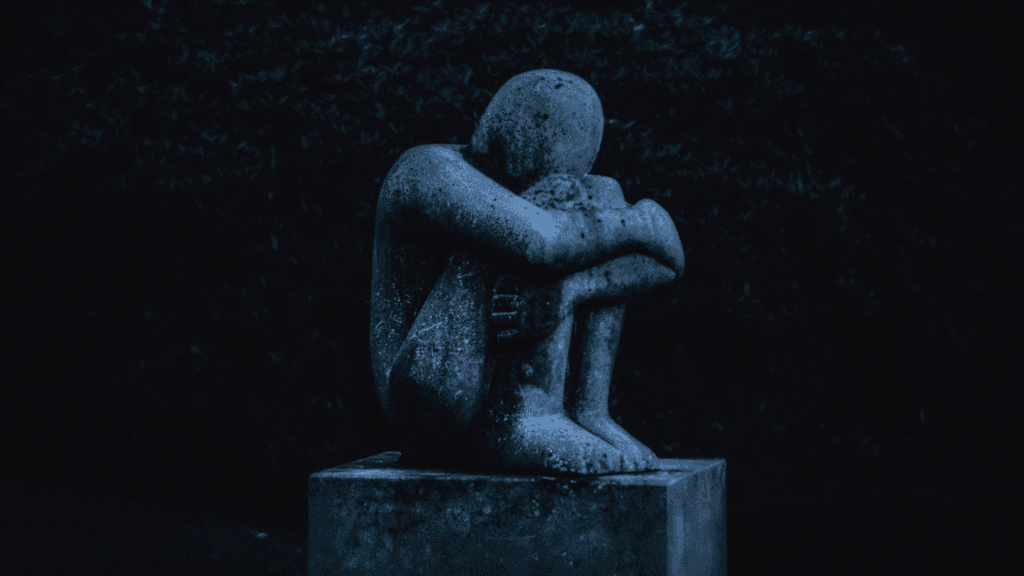
Hazrat Khalifatul Masih Vaa once narrated a story about a man who was tired of this world, due to hardships or dissatisfaction, and desired to leave it. He would walk on the streets constantly lamenting, “O Allah, I do not like Your world.”
One day, the man was sitting quietly, no longer complaining. When passers-by asked why he was quiet now, he replied, “Today, Allah answered me and said, ‘Then go to a world that you do like.’ And I had no reply.”
Life is not something to be escaped when it becomes heavy. It is something to be understood, struggled through, and ultimately overcome.
The man had understood his reality and this anecdote reminds us of the importance of accepting God’s decree.
However, that does not mean that we abandon living.
An intentional existence
The Holy Quran reminds us that our existence is intentional:
“Did you then think that We had created you without purpose, and that you would not be brought back to Us?” (Surah al-Mu’minun, Ch.23: V.116)
This verse firmly rejects the idea that human life is meaningless or disposable. Even when a person feels forgotten or exhausted, God has not lost sight of them. Life continues because there is still purpose unfolding in ways we cannot yet see.
Allah states in the Quran:
“And I have not created the Jinn and the men but that they worship Me.” (Surah adh-Dhariyat, Ch.51: V.57)
Worship goes beyond prayer mats and mosques. Worship is when you live it while adhering to divine teachings. It is reflected in patience when life feels unfair, or being truthful when lying would be easier, and in kindness when bitterness feels justified. Allah the Almighty says:
“Surely, Allah suffers not the reward of those who do good, to be lost.” (Surah at-Taubah, Ch.9: V.120)
Nothing sincere is wasted; not our tears, not effort and not quiet endurance. Living, even in the hardest situations, allows those unseen efforts to matter more in fact.
A reason to live
One of the profound reasons to be living is the opportunity to serve others. The Promised Messiah, Hazrat Mirza Ghulam Ahmadas, taught that “true sympathy and sincere compassion for mankind,” is a way to “acquire the pleasure of Allah Almighty.” (Malfuzat [English], 2019, Vol. 2, p. 115)
A life gains weight and meaning when it becomes a source of comfort or hope for someone else. The Holy Quran captures this beautifully:
“[…] whoso gave life to one, it shall be as if he had given life to all mankind.” (Surah al-Ma’idah, Ch.5: V.33)
Sometimes, simply continuing to live, despite pain, is itself a way of saving life: our own, and possibly others who draw strength from our presence without us ever realising it.
Pain and hardship: A part of life
Pain and hardship are not denied in Islam, nor are they minimised. The Quran refers to this transparently:
“And We will try you with something of fear and hunger, and loss of wealth and lives, and fruits; but give glad tidings to the patient.” (Surah al-Baqarah, Ch.2: V.156)
This shows that trials are not proof of God’s absence but often evidence of His attention. They jolt the soul, awaken prayer and soften the heart. Many people only truly discover God in their most broken moments.
Life also matters because it is brief and because of that, it is valuable. This world is not meant to be perfect but it is meant to prepare us. It is a place of cultivation, where what we sow now shapes what we meet in the Hereafter. If one gives up, you are leaving your story unfinished; at a place before mercy, healing or understanding has had the chance to arrive.
Conclusion
So, if you may be going through a trial in your life, you may have lost a loved one, you are suffering from an illness or you feel in despair, just know that “Aye, it is in the remembrance of Allah that hearts can find comfort.” (Surah ar-Rad, Ch.13: V.29)
As long as life remains, so do mercy and change.
To stay content in this world while in a trial is not weakness, it is faith. Faith that God is still working, still listening and is still near. And that there is a reason to stay, for however long is decreed.